Featured
Hidden Treasures
Precious metals turn up in some surprising places, but recovering their value isn’t always as simple as melting down scrap
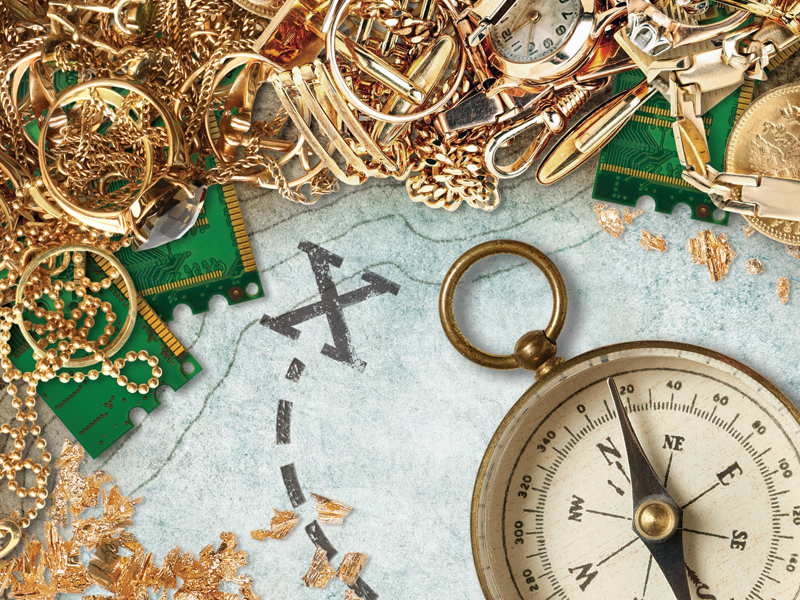
Any jewelry manufacturing firm, as well as any retailer with an in-house repair or custom shop, knows that precious metals can hide in some unlikely places. Buffs, grinding wheels, filters, empty syringes of precious-metal paste solder, shop smocks, and aprons can all capture particles of gold, silver, platinum, and other valuable metals. Even flooring can accumulate enough precious metal over the years to make recovery worthwhile.
But finding precious metal is only part of the equation. Recovering it is another matter.
A container of clean, sorted karat-gold scrap presents a relatively straightforward job for a refiner. Precious metal embedded in carpet fibers, mixed into adhesive, or dispersed throughout an electronic device can be another story entirely. The amount and concentration of the metal, the material surrounding it, and the processes required to separate the two can all affect how the material is handled, how long refining takes, and whether recovery is economically worthwhile.
And jewelry shops are far from the only places where those questions arise.
Precious metals are prized not only for their rarity and beauty but also for properties such as conductivity, malleability, ductility, and resistance to corrosion and deterioration. Those qualities make them useful in everything from electronics and medical devices to public infrastructure and works of art. Eventually, some of those metals make their way to refiners for recovery, sometimes in forms that bear little resemblance to traditional precious-metal scrap.
For jewelers, what happens to those materials offers a look behind the curtain at the refining process. Why is one material relatively simple to refine while another requires multiple processing steps? And why can two lots containing valuable metal produce very different returns?
The answers largely come down to where the metal is hiding, how much of it is there, and what it takes to get it back.
Where Metal Hides
Sometimes the obstacle to recovery is simply quantity. Silver’s properties have led to its use in water purification systems and other applications far removed from the jewelry bench. It can even be found in tiny amounts in something as commonplace as a water meter.
“There’s a tiny sliver of silver in your water meter,” says Corrie Silvia Berry, national sales manager and business development at Umicore Precious Metals USA Inc. in Riverside, Rhode Island.
But while the silver serves a purpose in the device, there is so little of it that recovering the metal at the end of the meter’s useful life generally isn’t worthwhile. It’s an example of one of the calculations refiners routinely face: The presence of precious metal alone doesn’t necessarily make something worth processing. Its concentration and the efforts to recover it matter, too.
A low concentration of precious metal doesn’t always rule out recovery, however. When the metal is valuable enough and sufficient material has accumulated, even a relatively small percentage can be worth processing.
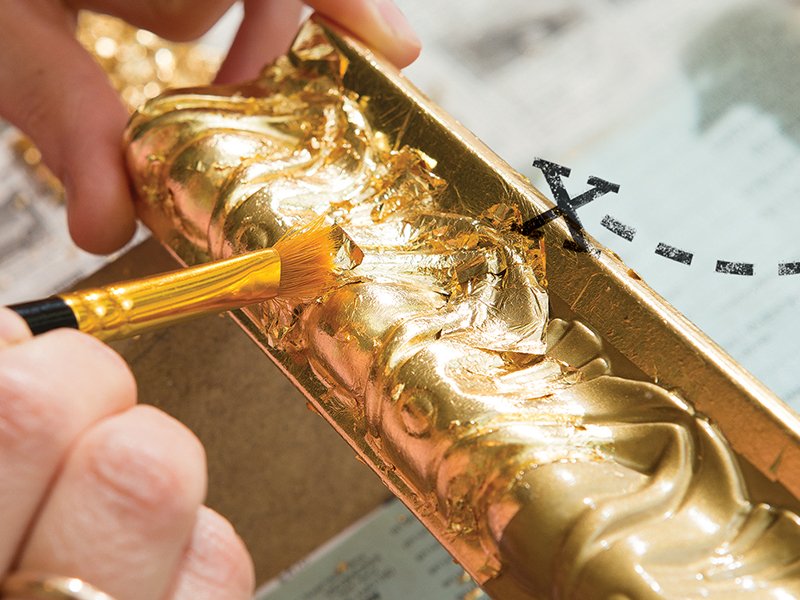
Gold leaf offers an example. Gold’s extraordinary malleability allows it to be hammered into extremely thin sheets, which have been used for centuries to gild artwork, architectural details, and other decorative surfaces. When that gilding is eventually restored, some of the old gold can wind up in an unexpected place.
Silvia explains that an artist refreshing gilding may first brush a coating over the existing surface to seal it. As the coating is applied, it can pick up bits of old gold leaf. When the brush is dipped back into the coating, those particles wind up in the adhesive, with additional gold potentially accumulating as the work continues.
What ultimately reaches the refiner can be “five-gallon buckets of adhesive with gold flakes all in it,” Silvia says. “Even at 2 percent gold, it has value, especially in today’s market.”
Unlike the tiny amount of silver in a water meter, then, the gold dispersed through those buckets of adhesive can be worth recovering. But its form creates a different challenge: Most of what has arrived at the refinery isn’t gold. Before that value can be recovered, the surrounding material has to be removed or otherwise processed.
From Computers to Teeth
Determining whether precious metal is worth recovering isn’t always as simple as identifying the product it came from. Even within the same category of material, the amount of recoverable metal can vary considerably.
Electronics are a good example. Because gold is an excellent conductor of heat and electricity and resists corrosion, very thin layers are used on components in cell phones, desktop and laptop computers, and other electronic devices.
As those devices reach the end of their useful lives, some eventually arrive at facilities equipped to recover their precious-metal content. But the fact that an electronic device contains gold doesn’t necessarily mean that every component is worth processing.
“Some electronics are too low grade to even bother with,” Silvia says.
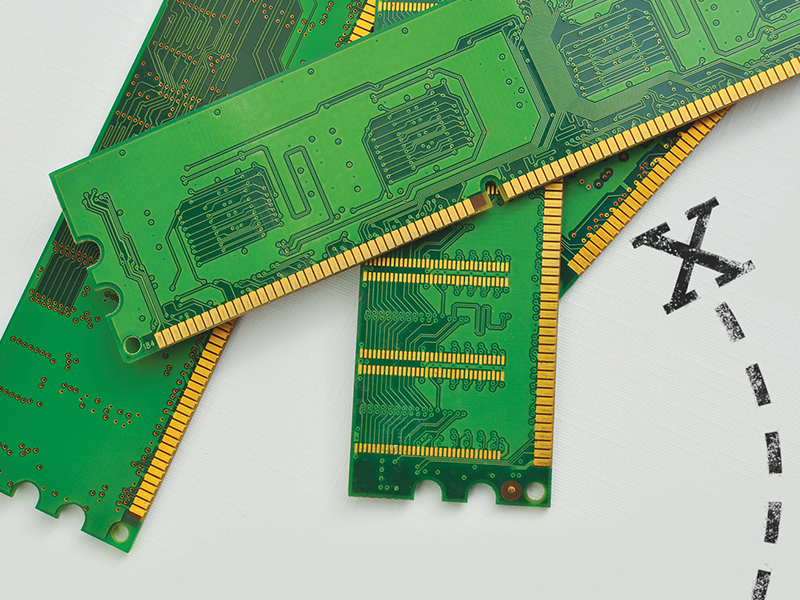
The amount of gold can vary according to the age, type, and quality of the equipment. A high-end computer, for example, may contain different components and quantities of precious metal than a basic model. At Umicore’s facility in Belgium, which processes large quantities of electronics, Silvia says experienced employees can often look at a computer and recognize whether it contains a high-grade motherboard or CPU. Some components can contain meaningful amounts of gold, while others contain very little. Copper and platinum-group metals may also be present.
For a refiner, the question is whether the recoverable value justifies the processing required. It’s a calculation that applies just as readily to materials collected in a jewelry shop: A large quantity of material isn’t necessarily a valuable refining lot, and something that contains precious metal isn’t necessarily economical to process.
Sometimes the challenge isn’t the amount of precious metal but what comes along with it. Silvia encountered one particularly memorable example during a tour of Umicore’s facilities, where she was shown pallets loaded with 50-gallon drums.
Then someone opened one.
“It was all dental and teeth and amalgam,” she says. “The smell was atrocious.”
Gold has long been used in dental restorations because of its resistance to corrosion and deterioration, while amalgam fillings can contain silver. Silvia, who had worked extensively in the jewelry industry before joining Umicore, says she had never encountered the dental side of precious-metal recovery. The material, she learned, reaches refiners through sources including dentists, dental laboratories, and mortuaries.
The content of those drums may be a long way from clean jewelry scrap, but the objective is the same: separate the valuable metal from everything that isn’t.
Not All Scrap Is Created Equal
The same factors that determine whether and how precious metals are recovered from electronics, adhesives, and dental material come into play with the materials generated in a jewelry shop. How much precious metal does the material contain? What else is mixed with it? And what will it take to separate the two?
At the simplest end of the spectrum is clean gold and silver scrap.
“Just taking someone’s gold scrap from karat gold, that’s very basic,” Silvia says, particularly when the jeweler has done a good job of sorting the material.
Sizing pieces, heads, prongs, worn shanks, filings, casting scrap, and other primarily metallic material can generally be processed without first removing large quantities of nonmetallic material. According to Silvia, a relatively straightforward lot can be processed at Umicore in as little as three to five days, depending on the materials and circumstances.
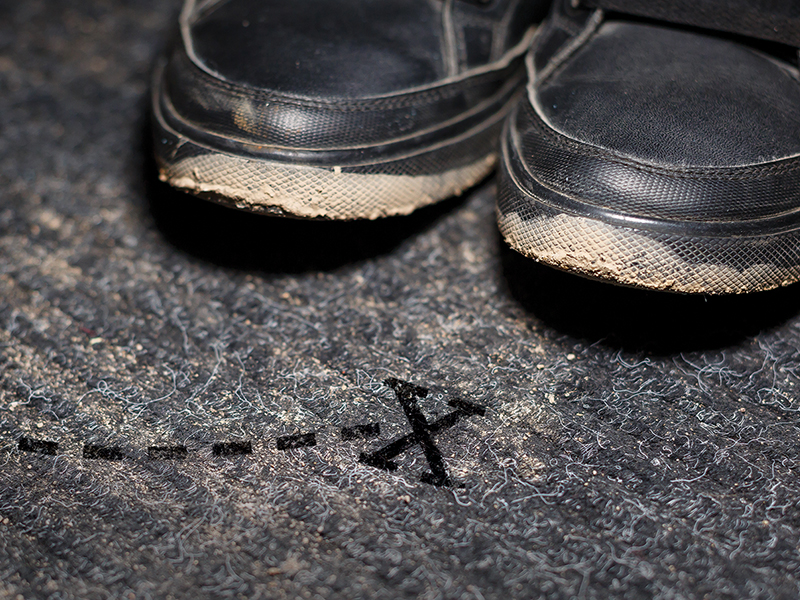
The situation changes when tiny particles of precious metal are mixed with fibers, polishing compounds, dirt, and other materials. Before the metal can be recovered, much of that unwanted material has to be removed and the remainder prepared for sampling and refining.
Carpet is a prime example. In a jewelry manufacturing facility, years of sawing, filing, grinding, polishing, and other operations can send microscopic particles of precious metal onto the floor. Some are captured through good housekeeping and metal-recovery practices. Others can become embedded in carpeting and remain there until the floor covering is eventually replaced.
Recovering those particles requires considerably more work than melting clean scrap.
Silvia explains that carpet accepted for refining is first incinerated, removing much of the organic material and leaving ash behind. The process also can leave larger pieces, known as “oversize,” that didn’t break down sufficiently to pass through sifting.
The oversize is ground down and tested separately from the ash to determine the precious-metal content. Depending on the material and the capabilities of the refinery, portions may be processed in-house while others are sent to larger facilities equipped to handle them. The material then undergoes additional processing to separate and recover the precious metals.
All of those additional steps take time. Instead of the several days that might be required for clean karat scrap, Silvia says processing carpet can take about 30 days.
The contrast illustrates why refiners don’t treat all precious-metal-bearing material alike. Two lots may both contain gold but recovering it from clean scrap is a very different proposition from recovering microscopic particles scattered throughout a piece of carpeting.
The Cost of Getting It Back
All of those additional steps not only take time, but also add to the cost of refining. There are different fee schedules depending on the purity of the material being refined and the complexity of the refining process.
Incoming weight alone, therefore, tells only part of the story. A large quantity of low-grade material may contain only a small percentage of precious metal, while a much smaller quantity of clean karat scrap can have a far higher concentration of recoverable value.
That distinction is important when jewelers evaluate what they are sending to a refiner. It also reinforces the importance of sorting.
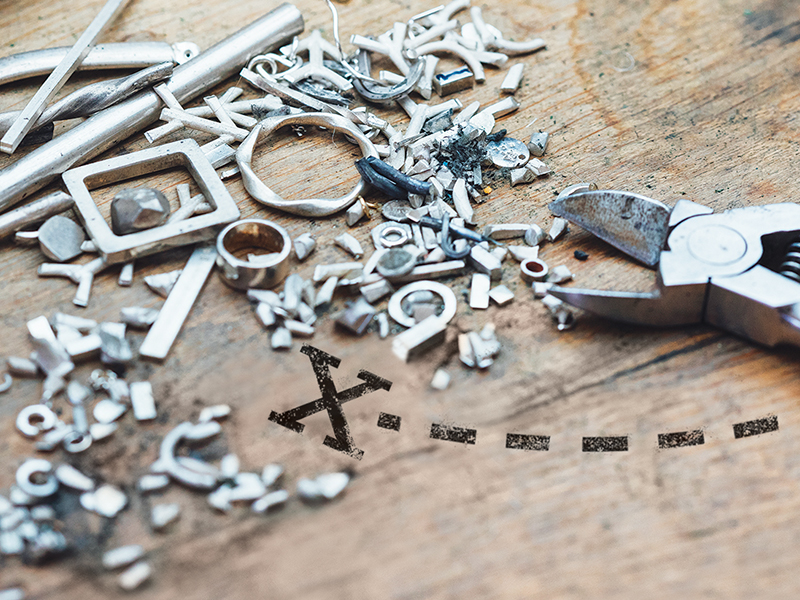
Clean bench scrap generally should not be thought of as interchangeable with buffs, sweeps, carpeting, and other low-grade materials. The latter may require multiple additional processes before the precious metal can even reach the point at which it can be refined. Keeping different types of material appropriately separated can allow them to be processed according to their contents and the work required.
The type of material can also determine where that processing takes place, as there are limits to what an individual refiner handles.
Catalytic converters offer an example of the specialized nature of some precious-metal recovery. The pollution-control devices can contain platinum, palladium, and rhodium, making them potentially valuable sources of platinum-group metals. But processing them requires specialized capabilities. Silvia says the precious-metal-bearing material inside the converters is sent to facilities equipped to handle it, where it is ground before undergoing further processing.
The same issue can arise with less exotic materials from a jewelry shop. One refiner may process a particular type of low-grade material in-house, while another may send it to a larger or more specialized facility. Some may not accept the material at all.
Ask Before You Ship
For that reason, an unusual refining lot should probably begin with a conversation rather than a shipping label.
If a manufacturer has something outside its normal stream of bench scrap, Silvia recommends contacting the refiner first. Ask whether it accepts the material, what processing will be required, what the costs will be, how long the process is expected to take, and whether the likely recovery will justify the effort.
If the refiner doesn’t handle that particular material, it may be able to recommend a company that does.
That can be particularly useful when something unexpected happens. If a burst pipe floods the carpet in a manufacturing area and the flooring has to be replaced, for example, the instinct may be to send the soggy, damaged carpet straight to the dumpster. But if years of precious-metal dust have accumulated in it, it could be worth asking a refiner about it first.
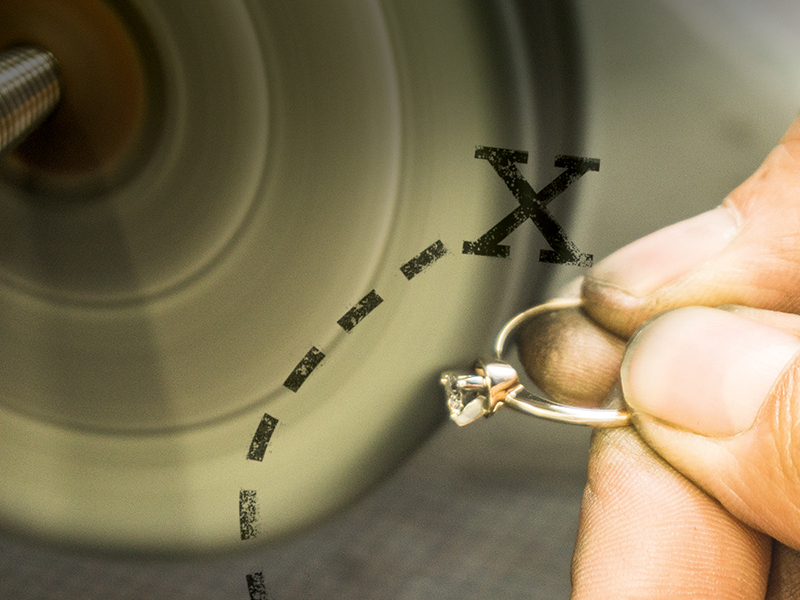
The same thinking applies throughout the shop. Buffs, filters, grinding wheels, sweeps, aprons, and other seemingly spent materials can all capture tiny amounts of metal over time. Individually, those particles may not look like much. Collected over months or years, they can add up.
Not every precious-metal-bearing material will be worth processing, and not every refiner will be equipped to handle everything that is. The form and concentration of the metal, the amount of processing required, and the associated costs all play a role in determining whether recovery makes sense.
But before throwing something away, it can pay to find out exactly what may be hiding inside.
Don’t Throw That Away!
Precious-metal particles can accumulate almost anywhere jewelry is made. Before discarding these materials, consider collecting them for refining or asking your refiner whether they may contain recoverable value.
At The Bench
- Casting trees, sprues, and buttons
- Sheet, wire, and tubing scraps
- Cuttings and sizing pieces
- Filings, shavings, and grindings
- Worn or broken findings and components
- Sawing and sanding dust
- Used emery paper, sanding discs, and abrasive materials
- Worn burs, bits, and other tools used on precious metals
- Paper towels and wipes used to clean the bench
Around the Shop
- Bench and floor sweeps
- Vacuum bags and contents
- Sink-trap material and dried sludge
- Ultrasonic and tumbler dried sludge
- Rags and shop towels
- Gloves and dust masks
- Aprons, uniforms, and other work clothing
- Carpet, mats, and other types of flooring
Start where the trade starts
- Used crucibles
- Slag and flux containing metal
- Casting debris and other metal-bearing residue
At the Polishing Station
- Used buffs and polishing wheels
- Polishing dust
- Brushes
- Filters and filter bags
- Vacuum and dust-collector bags
- Residue captured by ventilation or dust-collection equipment
Build a career in the trade
- Check with the refiner about what it accepts and how different materials should be collected, separated, packaged, and shipped. Some materials may require specialized processing or may not contain enough recoverable metal to justify the cost.